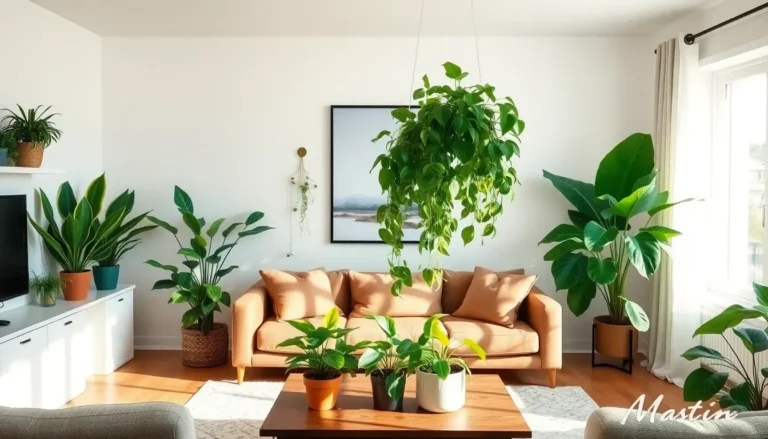


Imagine turning your home into a lush green oasis without needing a degree in botany. Easy-to-grow houseplants are the perfect solution for anyone who wants to add a touch of nature to their space without the stress of high-maintenance greenery. Whether you’re a plant parent or a seasoned horticulturist, these resilient beauties thrive on neglect and still manage to look fabulous.
Easy to Grow Houseplants
Easy to grow houseplants enhance indoor spaces while requiring little care. These plants often suit various light conditions, making them versatile choices for different rooms. Spider plants, for instance, adapt well to low light and produce small “pups” that can be propagated with ease.
Pothos thrives in diverse environments, tolerating both low and bright, indirect sunlight. Their cascading vines add charm to any setting, making them simple to maintain. Snake plants stand out for their durability, surviving infrequent watering and poor light conditions.
Various succulent options also provide low-maintenance beauty. Jade plants and aloe vera require minimal watering, making them perfect for beginners. Their unique shapes and textures add visual interest to any space.
Peace lilies offer elegant white blooms and flourish in lower light. These plants also indicate when they need water, wilting slightly to signal the need for hydration.
Additionally, ZZ plants exhibit resilience against neglect. They tolerate low light and irregular watering, making them suitable for almost any indoor environment. Pruning isn’t needed often, making care straightforward.
Focusing on easy-to-grow options encourages individuals to start their indoor plants journey confidently. Selecting the right species simplifies styling and enhances air quality, creating healthier home atmospheres. Each of these plants provides an accessible introduction to houseplant care, enabling anyone to enjoy a vibrant indoor garden.
Benefits of Houseplants
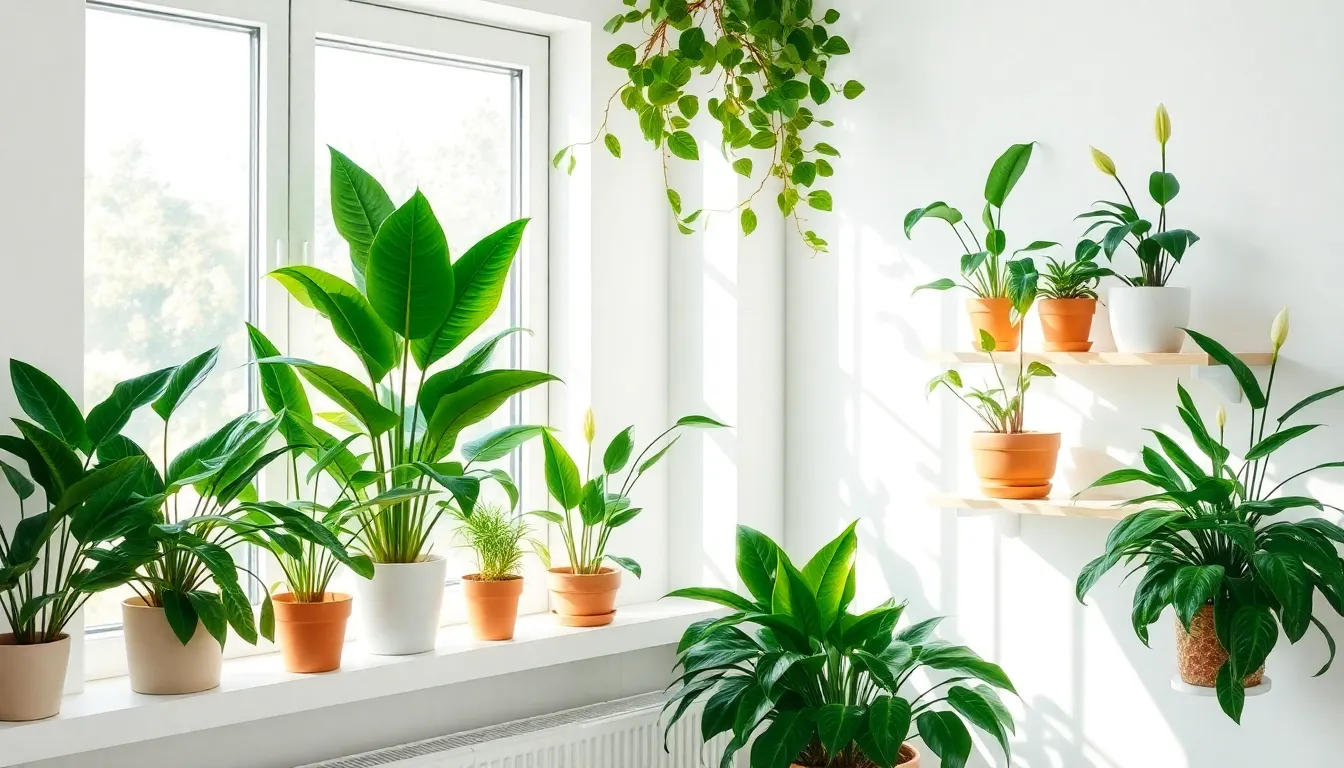
Houseplants offer various benefits, significantly enhancing indoor environments. These advantages can positively impact both physical and mental health.
Improving Air Quality
Houseplants play an essential role in purifying indoor air. Studies show that certain plants effectively remove toxins like formaldehyde and benzene. NASA’s Clean Air Study identifies plants such as snake plants and peace lilies as particularly beneficial. Incorporating these plants into living spaces improves air circulation and reduces airborne pollutants. These improvements lead to a healthier atmosphere, promoting overall well-being.
Enhancing Mental Wellbeing
Houseplants contribute to mental wellness by reducing stress and anxiety levels. Research indicates that being around greenery fosters relaxation. Interaction with houseplants can enhance mood and create a sense of calm. Plants like pothos and succulents not only improve aesthetics but also provide therapeutic benefits. Exposure to nature, even indoors, boosts happiness and productivity, encouraging individuals to feel more connected to their surroundings.
Top Easy to Grow Houseplants
Several houseplants thrive on minimal care, making them fantastic choices for any indoor space. Each plant enhances aesthetic appeal and contributes to a healthier environment.
Snake Plant
The snake plant, or Sansevieria, is renowned for its resilience. Many growers appreciate its ability to adapt to low light conditions, though it thrives in bright light as well. It’s drought-tolerant, needing watering only when the soil is completely dry. Additionally, the snake plant not only adds a modern touch to decor but also purifies air by filtering toxins like formaldehyde and benzene.
Pothos
Pothos, also known as devil’s ivy, stands out for its trailing vines and vibrant green leaves. This versatile plant flourishes in various light settings, from indirect light to low light. Less frequent watering is all that’s necessary, making it a convenient choice for busy individuals. Furthermore, pothos excels at improving indoor air quality, effectively eliminating harmful substances such as carbon monoxide and xylene.
Spider Plant
The spider plant, or Chlorophytum comosum, showcases striking arching leaves adorned with green and white stripes. It thrives in bright, indirect light but adapts well to lower light conditions. Regular watering keeps the soil slightly moist, yet it tolerates periods of drought. Spider plants are known for producing ‘pups’ that can be easily propagated, further enhancing your indoor garden. This plant effectively removes indoor pollutants and contributes to improving overall air quality.
ZZ Plant
The ZZ plant, or Zamioculcas zamiifolia, features glossy leaves and an impressive tolerance for neglect. This low-maintenance plant flourishes in low light but can also thrive in brighter conditions. Watering infrequently ensures that roots avoid rot, making it perfect for beginners. Renowned for its air-purifying capabilities, the ZZ plant helps eliminate harmful chemicals and adds a lush touch to any room.
Care Tips for Houseplants
Caring for houseplants is straightforward and adds beauty to any space. Understanding water and light requirements can enhance their growth.
Watering Guidelines
Watering practices vary among houseplants. Many prefer to dry out slightly between waterings. Snake plants need less frequent watering, allowing the soil to become completely dry before rehydration. In contrast, pothos enjoy consistently moist soil but dislike overly soggy conditions. It’s essential for beginners to observe their plants. Checking the top inch of soil for dryness can determine when to water. Overwatering often leads to root rot, a common issue with indoor plants. Adjusting watering schedules according to seasonal changes helps ensure optimal health.
Light Requirements
Light conditions significantly influence plant growth. Some houseplants thrive in low light, while others require bright, indirect sunlight. Snake plants tolerate low light effectively. They adapt well to various environments. Pothos prefer medium to bright indirect light, promoting vibrant leaf colors. Placing plants near windows with filtered light can benefit those needing more exposure. Understanding specific light preferences helps prevent stress on plants. Regularly rotating houseplants ensures each side receives adequate light, maintaining a balanced growth pattern.
Conclusion
Embracing easy-to-grow houseplants can transform any living space into a vibrant and healthier environment. Their ability to thrive with minimal care makes them perfect for anyone looking to enhance their indoor atmosphere without the stress of complex gardening routines.
These resilient plants not only beautify homes but also purify the air and promote mental well-being. By choosing the right plants and following simple care tips, anyone can enjoy the numerous benefits of indoor greenery.
Whether one is a seasoned plant lover or a beginner, incorporating these houseplants into daily life can lead to a more serene and inviting home.