

In a world where sunlight is often considered the holy grail for thriving plants, low light houseplants are the unsung heroes of indoor gardening. They’re the chill friends who don’t mind hanging out in the corner of the room while the sun-worshippers soak up the rays. If you’ve ever thought your home could use a touch of green without the pressure of a sunlit spotlight, you’re in for a treat.
Best Low Light Houseplants
Low light houseplants serve as excellent choices for indoor gardening. These plants adapt well to environments with limited sunlight, allowing them to flourish in darker spaces. They make it easy for individuals to incorporate greenery into homes that may lack adequate lighting. Many popular varieties thrive under such conditions, including the snake plant and pothos.
Characteristics of low light houseplants include their ability to tolerate shade. Specific plants can survive on indirect light or fluorescent bulbs, making them suitable for offices and rooms with minimal sunshine. Additionally, these plants often require less maintenance, appealing to busy individuals or those new to gardening.
Common low light houseplants like ZZ plants and peace lilies not only beautify spaces but also improve indoor air quality. Benefits extend beyond aesthetics; these plants contribute to a healthier living environment. Many varieties exhibit durability, ensuring longevity and consistent growth despite challenging light conditions.
Considering specific needs simplifies the process of choosing the right plant. Potential owners can determine factors such as humidity and temperature to ensure successful growth. By selecting low light houseplants, they create inviting atmospheres without extensive care requirements.
Exploring options in the realm of low light plants opens many possibilities for creativity. Various colors, shapes, and sizes allow for unique arrangements to enhance home decor. Using them effectively can transform any corner into a vibrant retreat.
Benefits of Low Light Houseplants

Low light houseplants offer significant advantages for indoor environments. These benefits include improving air quality and enhancing aesthetic appeal.
Air Quality Improvement
Low light houseplants actively purify indoor air. They remove toxins such as formaldehyde, benzene, and xylene, improving overall air health. NASA’s Clean Air Study confirms that specific plants like peace lilies and snake plants significantly enhance air quality. By absorbing pollutants, they provide cleaner air for inhalation. Successful indoor gardening leads to a refreshing atmosphere, promoting better health and well-being. Pollutant-free spaces encourage relaxation and productivity. With regular watering and minimal maintenance, these plants effectively contribute to a healthier home environment.
Aesthetic Appeal
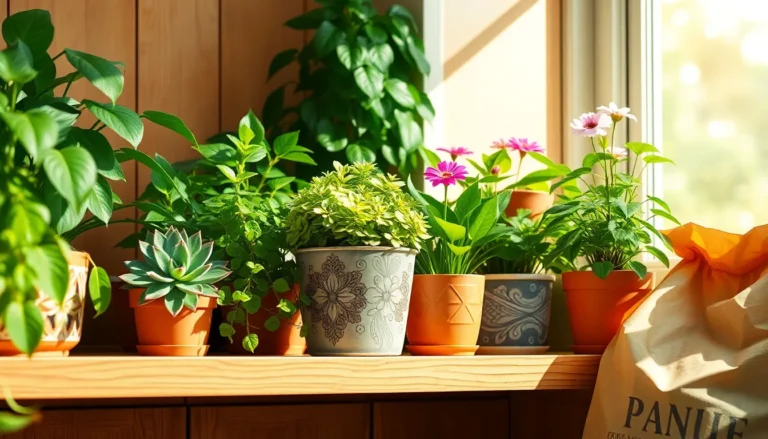
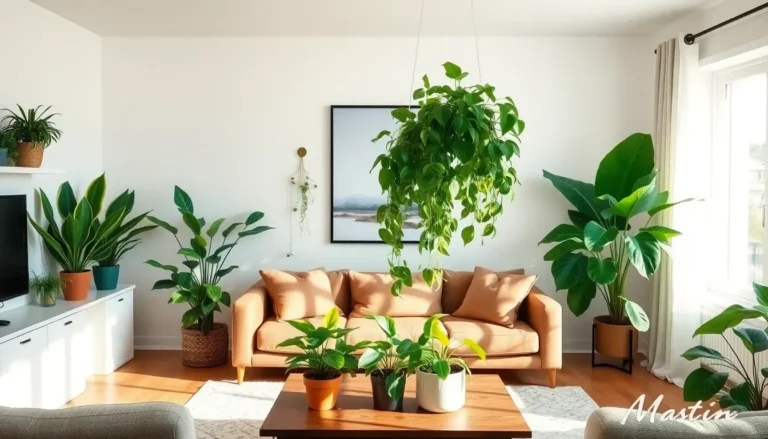
Low light houseplants add beauty to any space. They come in various shapes, sizes, and colors, offering options for every decor style. Incorporating snake plants, ZZ plants, and pothos creates visual diversity in indoor gardens. These plants thrive in low light, making them perfect for corners or dimly lit areas. Placing them on shelves, tables, or plant stands creates vibrant focal points. Their lush foliage provides a natural contrast against walls and furniture. With thoughtful arrangement, low light houseplants enhance ambiance and bring life to any room. They transform ordinary spaces into inviting retreats.
Top 5 Best Low Light Houseplants
Low light houseplants offer a variety of options for enhancing indoor spaces. The following selections thrive in dim conditions, making them perfect for less illuminated areas.
Snake Plant
Snake plants, known for their tall, sword-like leaves, excel in low light environments. They require minimal watering, allowing them to thrive even with neglect. This plant also contributes to air purification, removing toxins effectively. Varieties such as ‘Laurentii’ feature striking yellow edges, adding visual interest. Snake plants adapt well to different temperatures, making them versatile for various home settings.
ZZ Plant
ZZ plants are remarkably resilient and thrive in low light situations. Their glossy, dark green leaves create a sleek modern look. ZZ plants tolerate both neglect and varying humidity levels, making them low-maintenance choices. They also possess air-purifying qualities, improving indoor air quality. This plant grows slowly, allowing it to fit snugly into smaller spaces without overwhelming a room.
Pothos
Pothos plants are popular for their trailing vines and heart-shaped leaves. They thrive in indirect light, making them suitable for shaded corners of a home. This plant requires infrequent watering, ideal for busy lifestyles. Pothos varieties, such as ‘Golden Pothos’, exhibit distinct variegation for added appeal. They also help purify the air, contributing to a healthier living space.
Peace Lily
Peace lilies bring elegance to any room with their stunning white flowers and glossy green leaves. They tolerate low light, blooming even in dim conditions. Moderate watering keeps them thriving, as they prefer slightly moist soil. This plant is known for its air-purifying capabilities, effectively removing toxins. Peace lilies also signal when they require water by drooping slightly, simplifying care.
Spider Plant
Spider plants, with their arching green leaves, flourish in low light situations. They produce offshoots or “pups,” adding to their charm and spread. Regular watering helps keep the soil slightly moist, encouraging growth. Spider plants also contribute to air quality by filtering pollutants. Varieties such as ‘Variegatum’ add visual diversity, making them attractive additions to any home.
Care Tips for Low Light Houseplants
Providing proper care for low light houseplants ensures healthy growth and longevity. Watering these plants requires a balanced approach. It’s crucial to allow the soil to dry out slightly between waterings, preventing root rot. Checking the soil moisture with your finger can help determine when to water.
Fertilizing low light plants encourages robust health. Using a balanced, water-soluble fertilizer monthly during the growing season fosters growth. Applying fertilizer during the dormant winter months isn’t necessary.
Humidity plays a significant role in their welfare. Many low light varieties thrive in average household humidity levels. Mist the leaves occasionally or place a shallow dish filled with water nearby to boost humidity when needed.
Temperature needs vary among species, yet most prefer comfortable indoor temperatures. Maintaining a range between 60°F and 75°F works well for most low light houseplants. Avoid placing them near cold drafts or heat sources.
Pest management also remains vital for healthy plants. Keeping an eye out for common pests like spider mites and mealybugs allows for early intervention. If pests appear, wiping the leaves with a damp cloth or using insecticidal soap can help manage the situation.
Repotting low light houseplants offers opportunity for growth. Choosing a pot one size larger in spring provides fresh soil and additional space for roots. This practice supports healthy development, allowing the plant to thrive.
Pruning encourages bushier growth and removes any dead or yellowing leaves. Regular trimming promotes a more attractive appearance while preventing disease spread. Aiming for a tidy, well-groomed plant enhances aesthetic appeal.
By following these care tips, individuals can successfully nurture low light houseplants, elevating their living spaces and promoting a healthier environment.
Conclusion
Low light houseplants offer a fantastic way to bring life into dimly lit spaces. They not only enhance the aesthetic of a home but also contribute to improved air quality. With their adaptability and low maintenance needs, these plants are perfect for anyone looking to add a touch of greenery without the hassle of extensive care.
Choosing the right low light plants can create a serene environment while promoting health and well-being. By following the care tips provided, individuals can enjoy the beauty and benefits of these resilient plants for years to come. Embracing low light houseplants is a simple yet effective way to transform a living space into a lush oasis.